Salten and Saltdalen
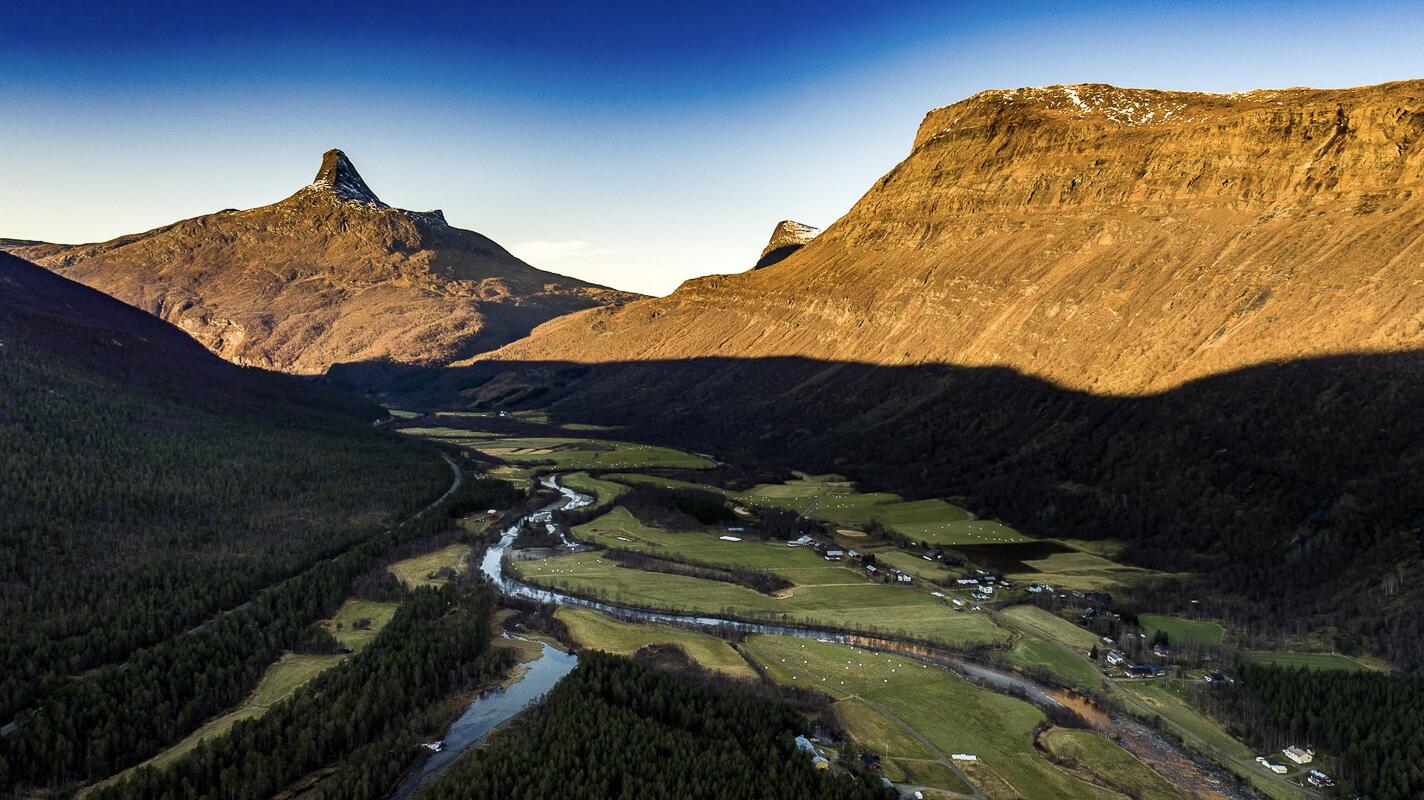
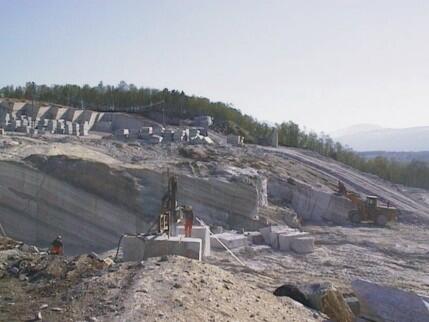
The sunny, summer-warm valley behind Saltfjellet is filled with wilderness, forests, and mountains, home to Norway's smallest hotel, art and nature exhibitions, and delicious dripping møsbrømlefse. The transition to the Midnight Sun is marked by wilder nature descending from Saltfjellet towards Storjord. The drama and beauty of the landscape can take your breath away from your seat on the train. You have been warned! Down in the valley, strong human encounters and a national park center await, enticing us to stay a few extra days. Fauske and Rognan are the two largest places in Salten and Saltdalen. Fauske is known for its large marble quarries, and Sulitjelma has a rich history related to mining in the area. Rognan, located by the Saltdalsfjord, marks the beginning of Saltdalen. The valley stretches upward towards Saltfjellet.
Saltdalen is a wide valley in Saltdal municipality in Nordland. The valley stretches in a north-south direction from Rognan, at the innermost part of the Saltdalsfjord in the north, and upward towards Saltfjellet in the south. At Storjord, the valley becomes narrower and steeper but widens again towards Saltfjellet, where it changes its name to Lønsdalen.
At Røkland and Storjord, large side valleys begin to the east, namely Evenesdalen and Junkerdalen, with Junkerdalen being the southernmost.
The Blood Road (Blodveien) is a stretch of road northeast of Rognan in Saltdal. The road was a new segment of National Road 50 between Rognan and Langset on the east side of the Saltdalsfjord, where there was previously a ferry service before the war.
The Blood Road refers to the section of today's European Route 6 between Saltnes and Saksenvika. The road was built by prisoners of war, which is why it has this name, as nearly 75,000 prisoners of war perished during the construction of the railway and the road.